
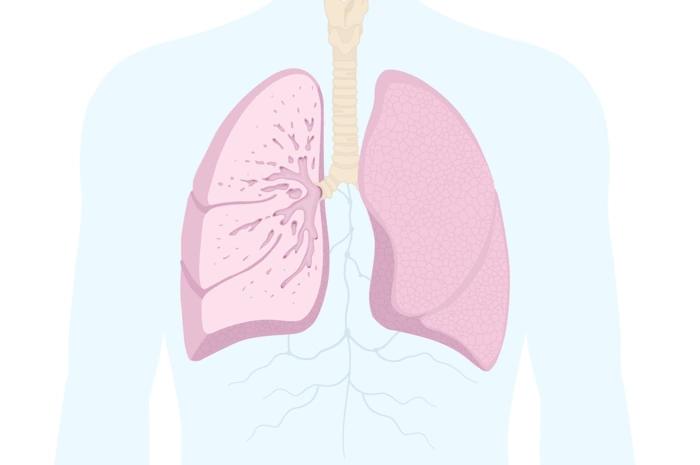
Introduction: Lung Cancer as a Major Public Health Challenge
Lung cancer stands as the leading cause of cancer-related mortality worldwide, responsible for more deaths annually than breast, prostate, and colorectal cancers combined. Despite significant advances in oncology, its incidence and mortality rates remain unacceptably high, posing a substantial burden on healthcare systems, patients, and families.
Epidemiology and Global Impact
Lung cancer accounts for approximately 1.8 million deaths each year, with non-small cell lung cancer (NSCLC) representing about 85% of all cases. While historically linked to tobacco use, the disease increasingly affects never-smokers, highlighting the role of environmental and genetic factors.
In USA and other high-income countries, improved screening and therapeutic options have led to modest gains in survival, yet disparities persist—particularly in low- and middle-income regions where access to early detection and advanced treatments remains limited.
The Urgency of Early Detection and Prevention
Public health strategies must therefore prioritize both primary prevention—through tobacco control, reduction of occupational and environmental carcinogens—and secondary prevention via targeted screening programs. Low-dose computed tomography (LDCT) has demonstrated efficacy in high-risk populations, but broader implementation requires systematic risk assessment and resource allocation.
Advances and Challenges in Treatment
The therapeutic landscape for lung cancer has evolved rapidly, with immunotherapy, targeted therapies, and minimally invasive surgical techniques improving survival and quality of life. However, challenges remain, including resistance to treatment, tumor heterogeneity, and inequitable access to innovative therapies. Ongoing research into biomarkers, liquid biopsies, and novel drug combinations holds promise for further progress.
Types of Lung Cancer: Classification and Clinical Implications
Lung cancer is a heterogeneous disease, broadly categorized into two main types based on histological features, molecular characteristics, and clinical behavior: non-small cell lung cancer (NSCLC) and small cell lung cancer (SCLC). Accurate classification is essential for determining prognosis, guiding treatment decisions, and enrolling patients in appropriate clinical trials.
1. Non-Small Cell Lung Cancer (NSCLC)
NSCLC accounts for approximately 80–85% of all lung cancer cases and encompasses several distinct subtypes, each with unique biological and therapeutic considerations:
- Adenocarcinoma. The most common subtype, comprising 40–50% of NSCLC cases, adenocarcinoma typically arises in the peripheral lung tissue. It is strongly associated with mutations in EGFR, ALK, ROS1, and KRAS, which have become critical targets for personalized therapy. Adenocarcinoma is more prevalent in never-smokers and women, and its incidence has risen in recent decades.
- Squamous Cell Carcinoma. Representing 25–30% of NSCLC cases, squamous cell carcinoma is closely linked to smoking and often originates in the central bronchi. It is characterized by TP53 and PI3K pathway mutations, and while historically less responsive to targeted therapies, recent advances in immunotherapy have improved outcomes for this subtype.
- Large Cell Carcinoma. A less common subtype (5–10% of NSCLC), large cell carcinoma lacks specific differentiation under microscopy. It is often aggressive and may be reclassified as adenocarcinoma or squamous cell carcinoma upon further molecular testing.
- Other Rare Subtypes. These include adenosquamous carcinoma, sarcomatoid carcinoma, and salivary gland-type tumors, which require specialized pathological evaluation and tailored treatment approaches.
2. Small Cell Lung Cancer (SCLC)
SCLC constitutes 10–15% of lung cancer cases and is distinguished by its rapid growth, early metastasis, and strong association with smoking. Key features include:
- Neuroendocrine Origin. SCLC cells express neuroendocrine markers (e.g., synaptophysin, chromogranin A) and are characterized by high mitotic activity and sensitivity to chemotherapy and radiation.
- Aggressive Clinical Course. Most patients present with extensive-stage disease at diagnosis, and while initial responses to platinum-based chemotherapy and immunotherapy are often robust, relapse is common. Recent approvals of immune checkpoint inhibitors (e.g., atezolizumab, durvalumab) have improved survival in select patients.
- Limited Targeted Therapy Options. Unlike NSCLC, SCLC has fewer actionable genetic mutations, though research into DLL3, PARP inhibitors, and novel immunotherapies is ongoing.
3. New Classifications and Molecular Subtyping
Advances in next-generation sequencing (NGS) and liquid biopsy technologies are refining lung cancer classification beyond histology. Key developments include:
- Driver Mutations in NSCLC. Identification of EGFR, ALK, BRAF, MET, RET, and NTRK alterations has enabled the use of targeted tyrosine kinase inhibitors (TKIs), significantly improving outcomes for eligible patients.
- Immunotherapy Biomarkers. PD-L1 expression, tumor mutational burden (TMB), and microsatellite instability (MSI) are increasingly used to predict response to immune checkpoint inhibitors (ICIs).
- SCLC Subtypes. Recent research has proposed four molecular subtypes of SCLC (SCLC-A, SCLC-N, SCLC-P, SCLC-Y), each with distinct therapeutic vulnerabilities, paving the way for precision medicine in this historically difficult-to-treat disease.
Causes and Risk Factors for Lung Cancer
Lung cancer is a multifactorial disease influenced by a complex interplay of genetic, environmental, and lifestyle factors.
1. Tobacco Smoking
Tobacco use—primarily cigarette smoking—is responsible for 80–90% of lung cancer cases worldwide. Key points include:
- Dose-Response Relationship. The risk of lung cancer increases with duration of smoking, number of cigarettes per day, and depth of inhalation. Former smokers remain at elevated risk for 10–15 years after quitting, though cessation at any age reduces risk.
- Secondhand Smoke Exposure. Non-smokers exposed to environmental tobacco smoke have a 20–30% higher risk of developing lung cancer compared to those not exposed.
- Other Tobacco Products. Cigars, pipes, and smokeless tobacco also increase risk, though to a lesser extent than cigarettes.
2. Environmental and Occupational Carcinogens
- Radon Gas. A naturally occurring radioactive gas, radon is the second leading cause of lung cancer and the primary cause among never-smokers. Prolonged exposure in poorly ventilated homes or workplaces significantly elevates risk.
- Asbestos. Occupational exposure to asbestos fibers is linked to mesothelioma and lung cancer, particularly in industries such as construction, shipbuilding, and mining. The synergistic effect of asbestos and smoking further amplifies risk.
- Air Pollution. Outdoor air pollution, including particulate matter (PM2.5), nitrogen oxides, and polycyclic aromatic hydrocarbons (PAHs), is classified as a Group 1 carcinogen by the IARC. Urbanization and industrial emissions contribute to rising lung cancer rates in never-smokers.
- Occupational Hazards. Exposure to arsenic, chromium, nickel, silica, and diesel exhaust in workplaces such as metalworking, welding, and mining increases lung cancer risk.
3. Genetic and Biology
- Family History and Inherited Mutations. Individuals with a first-degree relative diagnosed with lung cancer have a 2–3-fold higher risk, suggesting a genetic predisposition. Rare inherited syndromes, such as Li-Fraumeni syndrome (TP53 mutations), also confer increased susceptibility.
- Somatic Mutations. Acquired genetic alterations, such as EGFR, KRAS, and ALK mutations, drive oncogenesis and are more common in never-smokers and specific ethnic groups (e.g., EGFR mutations in East Asian populations).
- Chronic Lung Diseases. Conditions such as chronic obstructive pulmonary disease (COPD), pulmonary fibrosis, and tuberculosis are associated with elevated lung cancer risk, likely due to chronic inflammation and tissue remodeling.
4. Risk Factors Connected to Lifestyle
- Diet and Nutrition. Diets low in fruits, vegetables, and antioxidants may increase risk, while high intake of red meat and processed foods has been weakly linked to lung cancer in some studies.
- Alcohol Consumption. Heavy alcohol use is associated with a modestly increased risk, possibly due to impaired DNA repair and interaction with tobacco carcinogens.
- Infections. Chronic infections with human papillomavirus (HPV) and Mycobacterium tuberculosis have been investigated as potential risk factors, though evidence remains inconclusive.
- Socioeconomic Status. Lower socioeconomic status correlates with higher lung cancer incidence, likely due to greater exposure to environmental pollutants, limited access to healthcare, and higher smoking prevalence.
Signs, Symptoms of Lung Cancer
Early detection of lung cancer remains a critical challenge, as the disease is often asymptomatic in its initial stages. When symptoms do manifest, they may be nonspecific, leading to delayed diagnosis and poorer prognosis.
1. Clinical Presentation
Lung cancer symptoms can be categorized as local, systemic, or metastatic, depending on the tumor’s location and extent of spread.
A. Local (Thoracic) Symptoms
- Persistent cough (new onset or change in chronic cough)
- Hemoptysis (coughing up blood or rust-colored sputum)
- Dyspnea (shortness of breath, often due to airway obstruction or pleural effusion)
- Chest pain (dull, aching, or sharp; may indicate pleural or chest wall involvement)
- Wheezing or stridor (due to bronchial obstruction)
- Recurrent pneumonia or bronchitis (post-obstructive infections)
B. Systemic Symptoms
- Unexplained weight loss (>5% of body weight over 6–12 months)
- Fatigue and weakness
- Anorexia (loss of appetite)
- Low-grade fever (paraneoplastic or infectious etiology)
C. Symptoms of Metastatic Disease
- Bone pain (vertebral or long bone metastases)
- Neurological symptoms (headache, seizures, or focal deficits from brain metastases)
- Jaundice or abdominal pain (liver or adrenal gland involvement)
- Lymphadenopathy (supraclavicular or cervical node enlargement)
D. Paraneoplastic Syndromes
Lung cancer, particularly SCLC, may present with paraneoplastic syndromes due to ectopic hormone production or immune-mediated effects:
- Hypercalcemia (due to PTH-related peptide secretion)
- SIADH (Syndrome of Inappropriate Antidiuretic Hormone) (hyponatremia, confusion)
- Cushing’s syndrome (ectopic ACTH production)
- Lambert-Eaton myasthenic syndrome (muscle weakness)
- Digital clubbing (hypertrophic osteoarthropathy)
Diagnostic of Lung Cancer
A. Initial Assessment
- Medical history: Focus on smoking status, occupational/environmental exposures, family history, and symptom duration.
- Physical examination: Assess for lymphadenopathy, chest wall tenderness, hepatomegaly, or neurological deficits.
B. Imaging Studies
- Chest X-ray (CXR): Often the first-line imaging modality, though sensitivity for early-stage lung cancer is limited.
- Computed Tomography (CT) Scan:
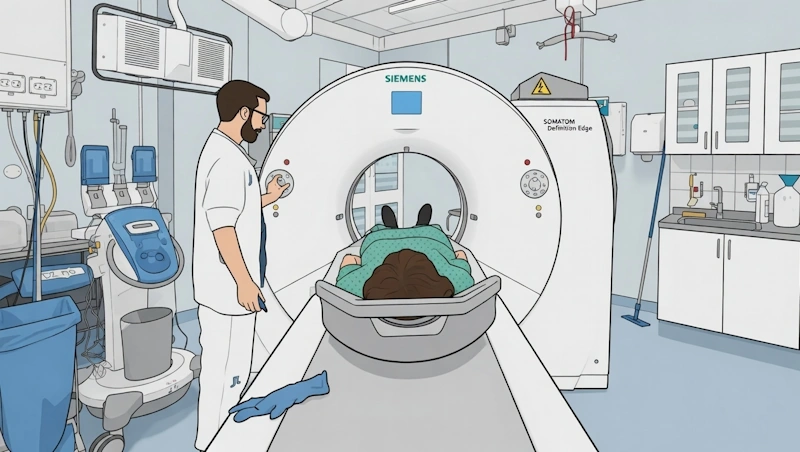
- Low-dose CT (LDCT): Recommended for screening high-risk individuals (e.g., adults aged 50–80 with a ≥20 pack-year smoking history).
- Contrast-enhanced CT: Used for tumor characterization, staging, and evaluation of metastatic disease.
- Positron Emission Tomography (PET-CT): Essential for metastatic workup and mediastinal lymph node assessment in potentially resectable cases.
- Magnetic Resonance Imaging (MRI): Indicated for brain and spinal cord evaluation in patients with neurological symptoms or suspected metastases.
C. Histopathological Confirmation
- Sputum cytology: Non-invasive but low sensitivity; useful in central lesions with hemoptysis.
- Bronchoscopy:
- Flexible bronchoscopy: Allows for visualization of airways, biopsy, and bronchoalveolar lavage (BAL).
- Endobronchial ultrasound (EBUS): Guides transbronchial needle aspiration (TBNA) of mediastinal lymph nodes.
- Percutaneous needle biopsy: CT-guided or ultrasound-guided biopsy for peripheral lesions.
- Thoracentesis: For cytological analysis of malignant pleural effusions.
- Surgical biopsy: Video-assisted thoracoscopic surgery (VATS) or mediastinoscopy for tissue diagnosis when less invasive methods are inconclusive.
D. Molecular and Biomarker Testing
- Immunohistochemistry (IHC): Differentiates between NSCLC and SCLC and identifies neuroendocrine markers.
- Next-Generation Sequencing (NGS): Detects actionable mutations (e.g., EGFR, ALK, ROS1, BRAF, MET, RET, NTRK) to guide targeted therapy.
- PD-L1 expression: Assessed via IHC to determine eligibility for immunotherapy.
- Liquid biopsy: Circulating tumor DNA (ctDNA) analysis for non-invasive mutation detection and monitoring treatment response.
Lung Cancer Staging
Staging is essential for prognostication, treatment planning, and clinical trial eligibility. The 8th Edition TNM Classification (American Joint Committee on Cancer, AJCC) is the standard system:
- T (Tumor): Size, location, and invasion of adjacent structures.
- N (Node): Regional lymph node involvement.
- M (Metastasis): Presence of distant metastases.
Key staging modalities:
- PET-CT: Most accurate for mediastinal lymph node and distant metastasis assessment.
- Brain MRI: Mandatory for SCLC and advanced NSCLC due to high risk of brain metastases.
- Bone scan: Indicated if bone metastases are suspected (e.g., elevated alkaline phosphatase or bone pain).
Staging implications:
- Early-stage (I–II): Potentially curable with surgery or stereotactic body radiation therapy (SBRT).
- Locally advanced (III): Often treated with multimodal therapy (chemoradiation ± immunotherapy).
- Metastatic (IV): Systemic therapy (targeted therapy, immunotherapy, or chemotherapy) is the mainstay.
Treatment Options for Lung Cancer
The management of lung cancer has undergone a paradigm shift in recent years, driven by advances in molecular biology, immunotherapy, and precision medicine. Treatment strategies are now tailored to histological subtype, genetic alterations, disease stage, and patient performance status.
1. Multidisciplinary Treatment Planning
Lung cancer management requires a multidisciplinary approach, involving medical oncologists, thoracic surgeons, radiation oncologists, pulmonologists, pathologists, and palliative care specialists. Key considerations include:
- Histological subtype (NSCLC vs. SCLC)
- Molecular profile (driver mutations, PD-L1 expression)
- Disease stage (localized, locally advanced, metastatic)
- Patient factors (comorbidities, performance status, patient preferences)
2. Treatment of Non-Small Cell Lung Cancer (NSCLC)
A. Early-Stage NSCLC (Stage I–II)
- Surgery:
- Lobectomy (standard of care for resectable tumors)
- Segmentectomy or wedge resection (for small tumors or patients with limited pulmonary reserve)
- Video-assisted thoracoscopic surgery (VATS) and robot-assisted thoracic surgery (RATS) are preferred for minimally invasive approaches.
- Stereotactic Body Radiation Therapy (SBRT):
- Indicated for medically inoperable patients or those refusing surgery.
- Delivers high-dose radiation with precision, achieving local control rates >90%.
- Adjuvant Therapy:
- Chemotherapy (cisplatin-based) may be offered for stage II–IIIA disease post-surgery.
- Targeted therapy (e.g., osimertinib for EGFR-mutant tumors) is increasingly used in the adjuvant setting.
B. Locally Advanced NSCLC (Stage III)
- Definitive Chemoradiation:
- Concurrent chemoradiation (platinum-based chemotherapy + radiation) is the standard for unresectable stage III disease.
- Durvalumab (anti-PD-L1): Consolidation immunotherapy after chemoradiation improves progression-free and overall survival.
- Surgical Resection:
- Selected stage IIIA patients may undergo neoadjuvant chemotherapy or chemoradiation followed by surgery.
C. Metastatic NSCLC (Stage IV)
- Targeted Therapy:
- EGFR mutations (e.g., erlotinib, osimertinib)
- ALK rearrangements (e.g., alectinib, lorlatinib)
- ROS1, BRAF, MET, RET, NTRK fusions (e.g., entrectinib, selpercatinib)
- KRAS G12C inhibitors (e.g., sotorasib, adagrasib) for KRAS-mutant tumors.
- Immunotherapy:
- PD-1/PD-L1 inhibitors (e.g., pembrolizumab, nivolumab, atezolizumab) are first-line for PD-L1-high tumors (≥50%) and in combination with chemotherapy for PD-L1-low/negative disease.
- CTLA-4 inhibitors (e.g., ipilimumab) are used in combination regimens.
- Chemotherapy:
- Platinum doublets (e.g., cisplatin/pemetrexed, carboplatin/paclitaxel) remain a backbone for driver-negative tumors.
- Maintenance therapy (e.g., pemetrexed, bevacizumab) may prolong survival in select patients.
- Combinations and Sequencing:
- Chemoimmunotherapy (e.g., pembrolizumab + chemotherapy) is standard for most metastatic NSCLC without actionable mutations.
- Targeted therapy + immunotherapy combinations are under investigation.
3. Treatment of Small Cell Lung Cancer (SCLC)
A. Limited-Stage SCLC
- Concurrent Chemoradiation:
- Etoposide + platinum (cisplatin or carboplatin) + thoracic radiation is the standard, achieving 5-year survival rates of 25–30%.
- Prophylactic Cranial Irradiation (PCI):
- Reduces the risk of brain metastases in patients with a good response to initial therapy.
B. Extensive-Stage SCLC
- First-Line Systemic Therapy:
- Chemoimmunotherapy: Atezolizumab or durvalumab + etoposide/platinum improves survival compared to chemotherapy alone.
- Second-Line Options:
- Topotecan, lurbinectedin, or re-challenge with immunotherapy in select cases.
- Targeted Therapy:
- DLL3-targeted therapies (e.g., rovalpituzumab tesirine) and PARP inhibitors (e.g., olaparib) are under investigation.
5. Palliative and Supportive Care
- Symptom Management:
- Pain control (opioids, nerve blocks, radiation for bone metastases)
- Dyspnea relief (oxygen therapy, opioids, bronchodilators)
- Pleural effusion management (thoracentesis, pleurodesis)
- Psychosocial Support:
- Palliative care integration from diagnosis improves quality of life and survival.
- Nutritional support and rehabilitation programs enhance functional status.
Conclusion
Lung cancer remains a formidable global health challenge, but the past decade has witnessed unprecedented progress in our understanding and management of the disease. From early detection through low-dose CT screening to precision therapies targeting specific genetic alterations, the field of lung oncology is evolving at a rapid pace. Immunotherapy has revolutionized treatment for both non-small cell and small cell lung cancer, offering durable responses and improved survival for many patients. Meanwhile, advances in molecular diagnostics, minimally invasive surgery, and radiation techniques continue to refine personalized care.
However, challenges persist. Late-stage diagnoses, treatment resistance, and disparities in access to cutting-edge therapies underscore the need for continued research, policy reform, and global collaboration. Public health initiatives focused on tobacco control, environmental regulations, and equitable healthcare access are critical to reducing the burden of lung cancer worldwide.
For healthcare professionals, staying abreast of emerging therapies, clinical trial data, and multidisciplinary best practices is essential to delivering optimal patient care. For patients and families, education, support, and early intervention can make a profound difference in outcomes and quality of life.
Further Reading: Subtypes of Lung Cancer
For a deeper understanding of lung cancer subtypes, consider exploring the following topics:
Lung Cancer Subtypes
| Subtype | Key Features | Common Treatments |
|---|---|---|
| Adenocarcinoma | Most common NSCLC subtype; often peripheral; linked to EGFR, ALK, KRAS mutations | Targeted therapy (osimertinib, alectinib), immunotherapy, surgery, chemotherapy |
| Squamous Cell Carcinoma | Central location; associated with smoking; TP53 mutations common | Immunotherapy, chemotherapy, surgery, radiation |
| Large Cell Carcinoma | Undifferentiated; aggressive; may be reclassified with molecular testing | Chemotherapy, immunotherapy, surgery (if resectable) |
| Small Cell Lung Cancer (SCLC) | Neuroendocrine origin; rapid growth; strongly linked to smoking | Chemoimmunotherapy (atezolizumab + etoposide/platinum), radiation, PCI |
| Adenosquamous Carcinoma | Mixed adenocarcinoma and squamous features; rare | Surgery, chemotherapy, targeted therapy (if actionable mutations present) |
| Sarcomatoid Carcinoma | Spindle/giant cell components; poor prognosis | Chemotherapy, immunotherapy, clinical trials |
| Carcinoid Tumors | Low-grade neuroendocrine tumors; indolent growth | Surgery, somatostatin analogs, everolimus |
| Mesothelioma | Linked to asbestos; pleural or peritoneal | Surgery, chemotherapy (pemetrexed + platinum), immunotherapy |
Suggested Resources:
- NCCN Clinical Practice Guidelines in Oncology (NCCN Guidelines®) for Lung Cancer
- ESMO Clinical Practice Guidelines for Lung Cancer
- American Society of Clinical Oncology (ASCO) Educational Resources
- WHO Framework Convention on Tobacco Control (FCTC)
- ClinicalTrials.gov (for ongoing lung cancer research studies)
Sources & References
- Sung, H. et al., 2021. Global cancer statistics 2020: GLOBOCAN estimates of incidence and mortality worldwide for 36 cancers in 185 countries. CA: A Cancer Journal for Clinicians, 71(3), pp.209–249. [pmc.ncbi.nlm.nih](https://pmc.ncbi.nlm.nih.gov/articles/PMC11557091/)
- Xia, C. et al., 2024. Global burden of lung cancer in 2022 and projected burden in 2050. Translational Lung Cancer Research, 13(9), pp.1910–1925. [pmc.ncbi.nlm.nih](https://pmc.ncbi.nlm.nih.gov/articles/PMC11557091/)
- Siegel, R.L. et al., 2025. Cancer statistics, 2025. CA: A Cancer Journal for Clinicians, 75(1), pp.10–46. [seer.cancer](https://seer.cancer.gov/statfacts/html/lungb.html)
- National Cancer Institute, 2025. Non-small cell lung cancer treatment (PDQ®)–Health professional version. NCI PDQ Cancer Information Summaries. [cancer](https://www.cancer.gov/types/lung/hp/non-small-cell-lung-treatment-pdq)
- Zappa, C. & Mousa, S.A., 2016. Non-small cell lung cancer: current treatment and future advances. Translational Lung Cancer Research, 5(6), pp.642–653. [emedicine.medscape](https://emedicine.medscape.com/article/279960-overview)
- Alduais, Y. et al., 2023. Non-small cell lung cancer (NSCLC): A review of risk factors, diagnosis and treatment. Cancer Medicine, 12(10), pp.11266–11281. [pmc.ncbi.nlm.nih](https://pmc.ncbi.nlm.nih.gov/articles/PMC11309591/)
- García, T.C. et al., 2023. Occupation as a risk factor of small cell lung cancer: a multicentric case-control study. Scientific Reports, 13(1), p.4795. [nature](https://www.nature.com/articles/s41598-023-31991-0)
- Medscape, 2024. Non-small cell lung cancer (NSCLC): Practice essentials, background, etiology. Medscape. [emedicine.medscape](https://emedicine.medscape.com/article/279960-overview)
- Travis, W.D. et al., 2015. The 2015 World Health Organization classification of lung tumors: impact of genetic, clinical and radiologic advances since the 2004 classification. Journal of Thoracic Oncology, 10(9), pp.1243–1260. [en.wikipedia](https://en.wikipedia.org/wiki/Melanoma)
- Rudin, C.M. et al., 2021. Small-cell lung cancer. Nature Reviews Disease Primers, 7(1), p.3. [ascopubs](https://ascopubs.org/doi/10.1200/JCO.23.01435)
- Waldman, B.E. et al., 2022. Lung cancer: Diagnosis, treatment principles, and screening. American Family Physician, 105(5), pp.487–496. [aafp](https://www.aafp.org/pubs/afp/issues/2022/0500/p487.html)
- National Comprehensive Cancer Network, 2025. NCCN clinical practice guidelines in oncology: Non-small cell lung cancer. Version 5.2025. Plymouth Meeting, PA: NCCN. [pmc.ncbi.nlm.nih](https://pmc.ncbi.nlm.nih.gov/articles/PMC5994504/)
- Horn, L. et al., 2024. Systemic therapy for small cell lung cancer: ASCO guideline rapid recommendation update. Journal of Clinical Oncology, 42(3), pp.299–303. [ascopubs](https://ascopubs.org/doi/10.1200/JCO-24-02245)
- Kalemkerian, G.P. et al., 2024. Systemic therapy for small-cell lung cancer: ASCO-Ontario Health (Cancer Care Ontario) guideline. Journal of Clinical Oncology, 42(2), pp.122–142. [ascopubs](https://ascopubs.org/doi/10.1200/JCO.23.01435)
- Planchard, D. et al., 2025. Early- and locally advanced NSCLC: ESMO clinical practice guideline for diagnosis, treatment and follow-up. Annals of Oncology, 36(1), pp.4–26. [esmo](https://www.esmo.org/guidelines/guidelines-by-topic/esmo-clinical-practice-guidelines-lung-and-chest-tumours)
- Gandhi, L. et al., 2025. Systemic therapy for stage IV non-small cell lung cancer: ASCO guideline update. Journal of Clinical Oncology, 43(5), pp.456–478. [guidelinecentral](https://www.guidelinecentral.com/insights/july-2025-asco-nsclc-guideline-spotlight/)
- Ettinger, D.S. et al., 2025. Update 2025: Management of non-small-cell lung cancer. Oncology, 39(4), pp.150–165. [pubmed.ncbi.nlm.nih](https://pubmed.ncbi.nlm.nih.gov/40133478/)
- These peer-reviewed sources from GLOBOCAN/IARC, NCI/SEER, NCCN/ESMO/ASCO guidelines, and journals like CA, JCO, and TLCR cover epidemiology (1.8M+ deaths/year), subtypes (NSCLC 85%), risks (tobacco 85–90%), symptoms (asymptomatic early), diagnosis (LDCT, NGS), and treatments (TKIs, ICIs, chemoRT). Prioritize recent 2024–2025 updates for stats/treatments. [cancer](https://www.cancer.org/cancer/types/lung-cancer/about/key-statistics.html)